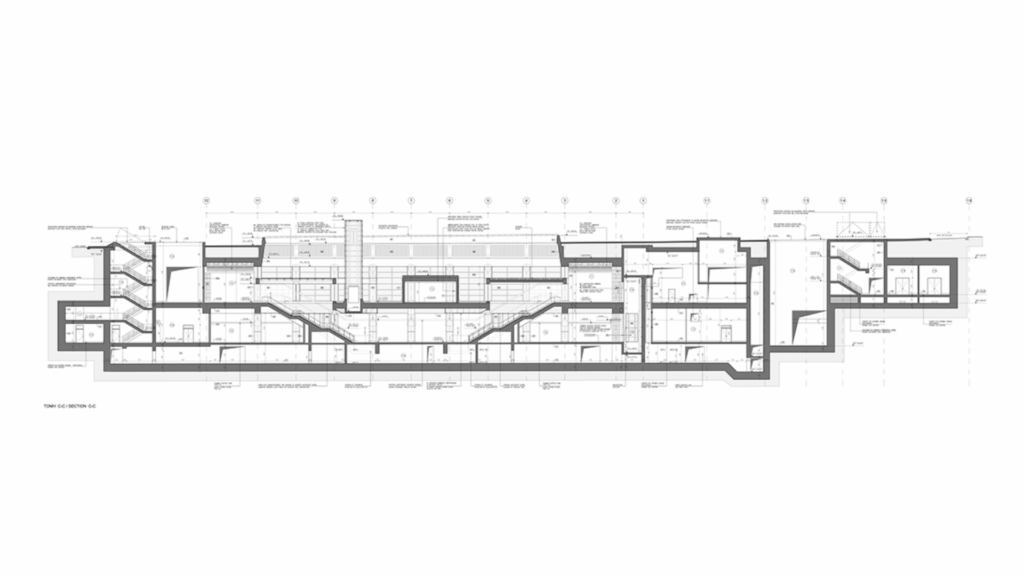
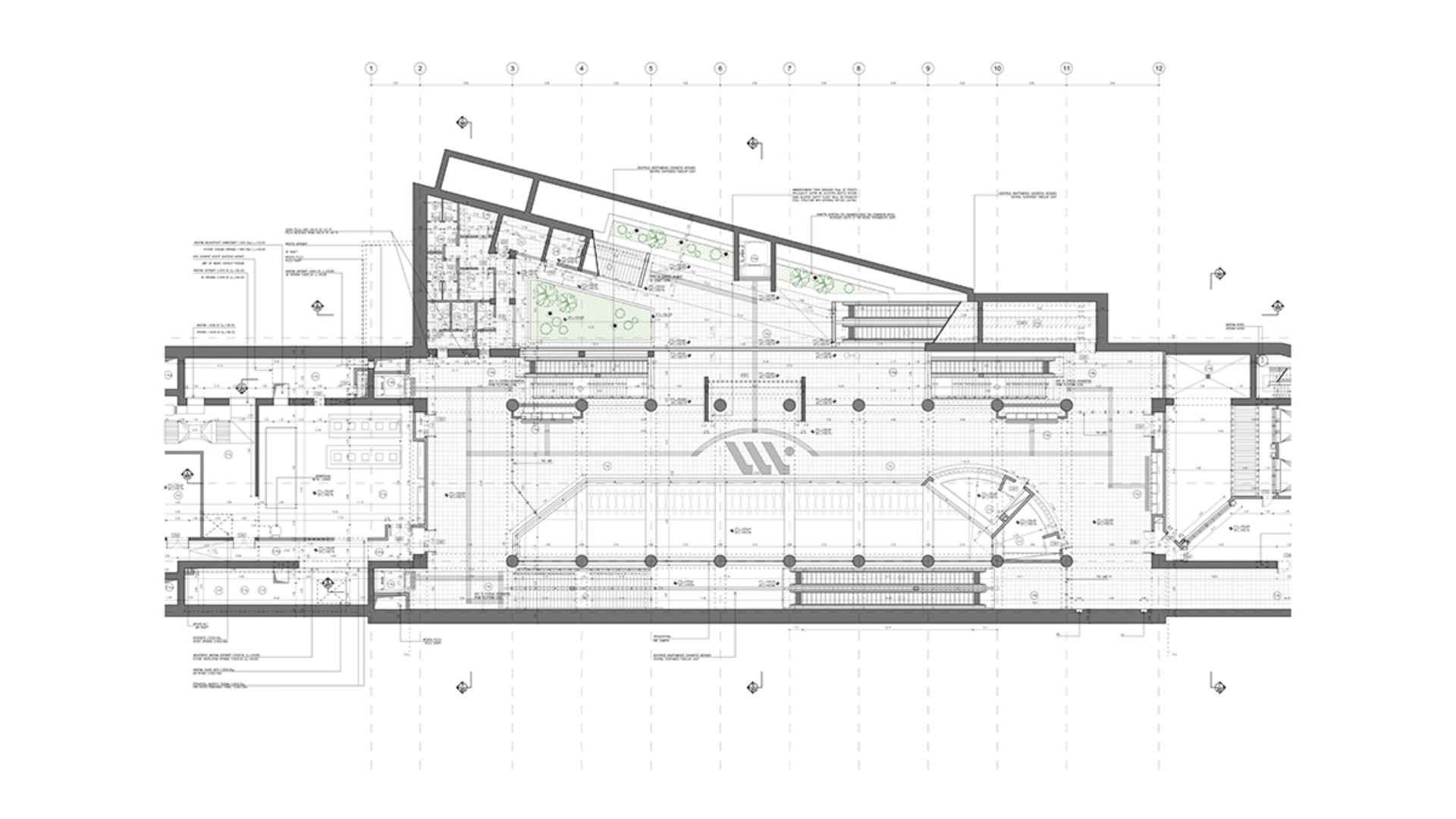
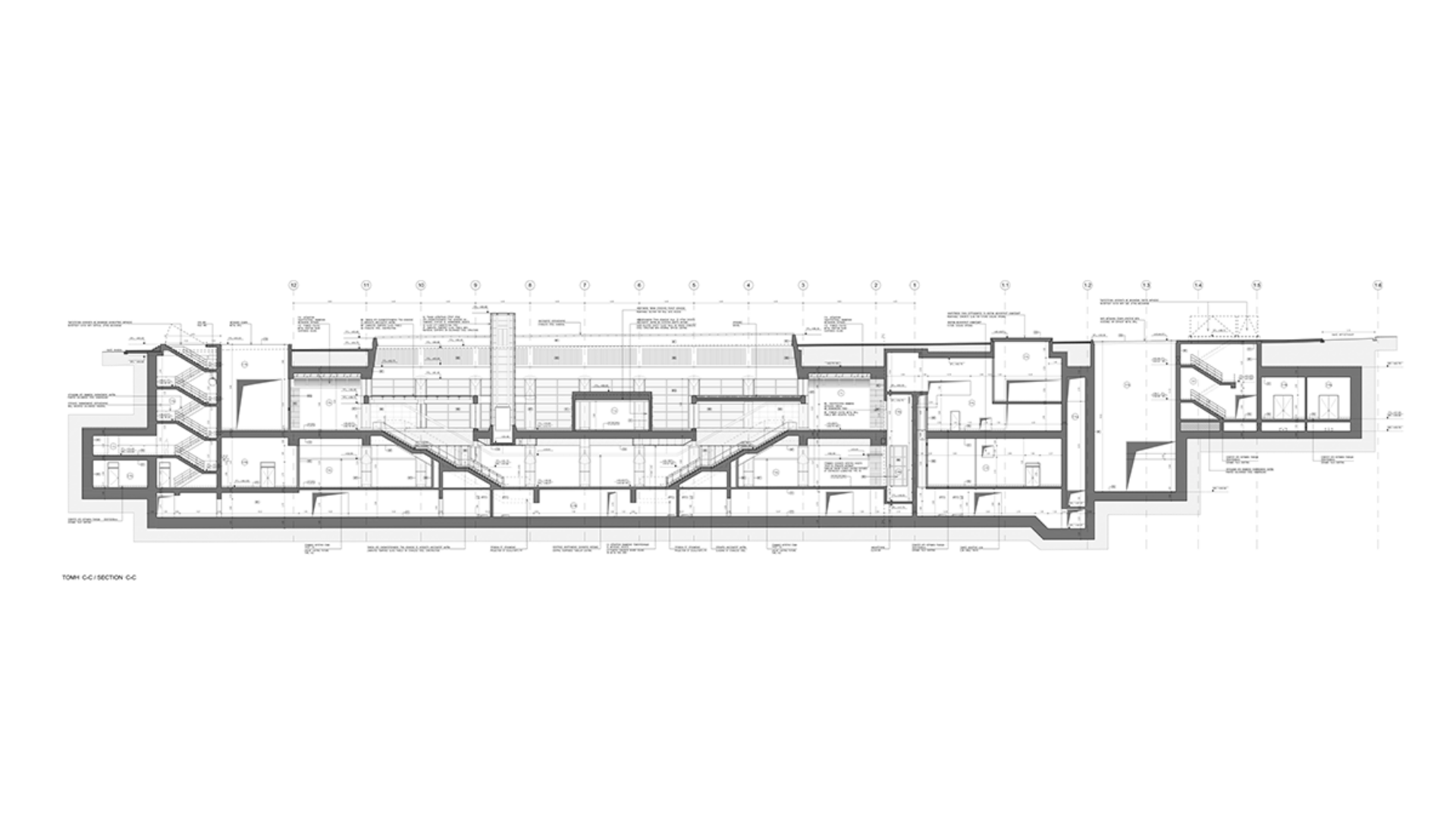
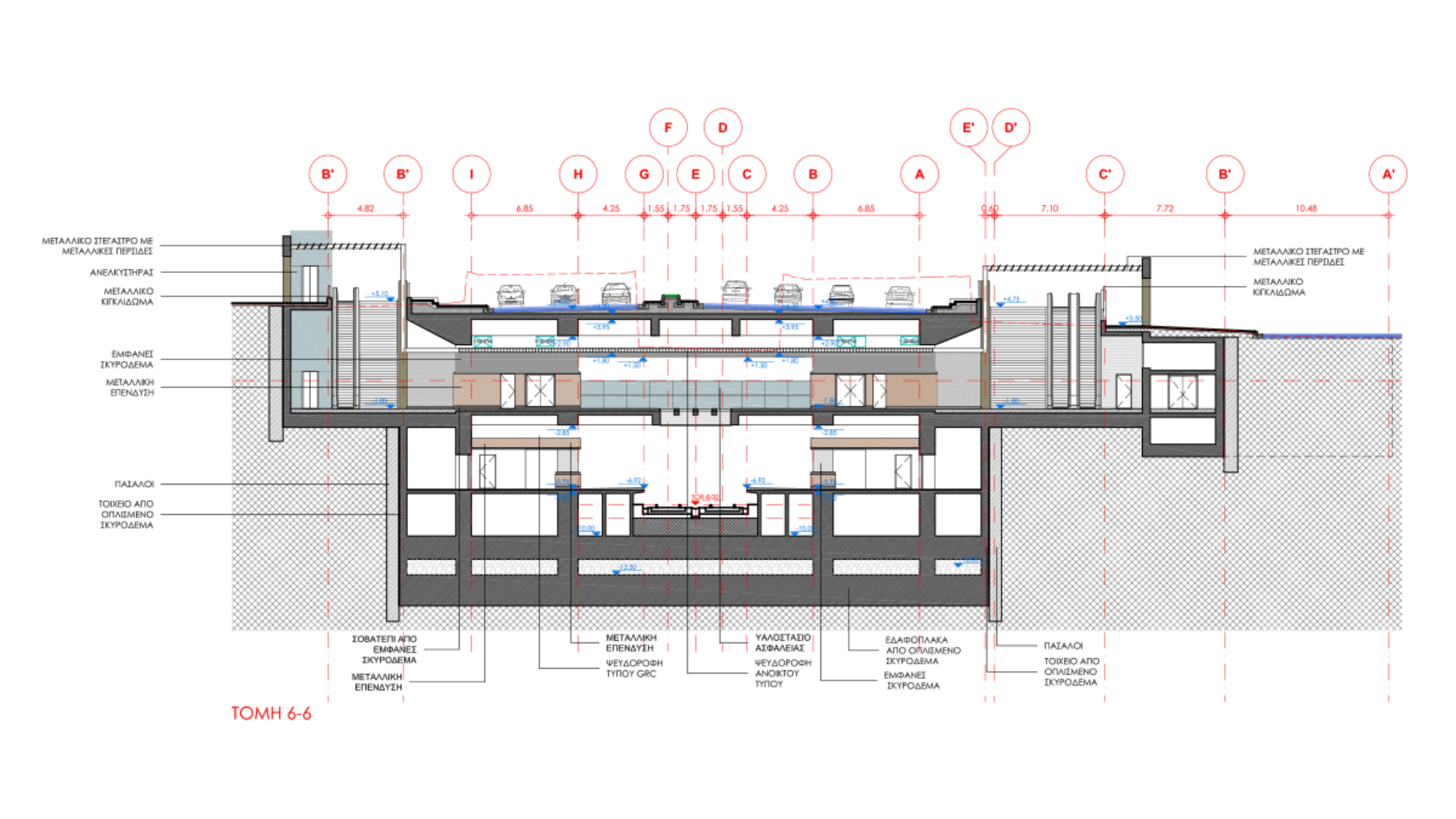
The technical design represents the evolution and completion of the preliminary concepts, developing and refining architectural and technical solutions based on the specific conditions of each site.
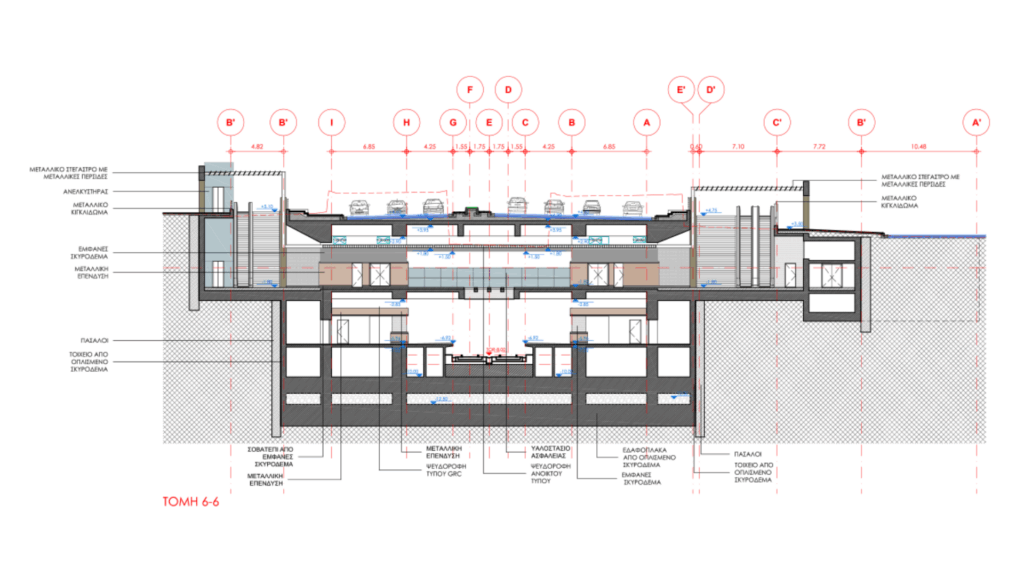
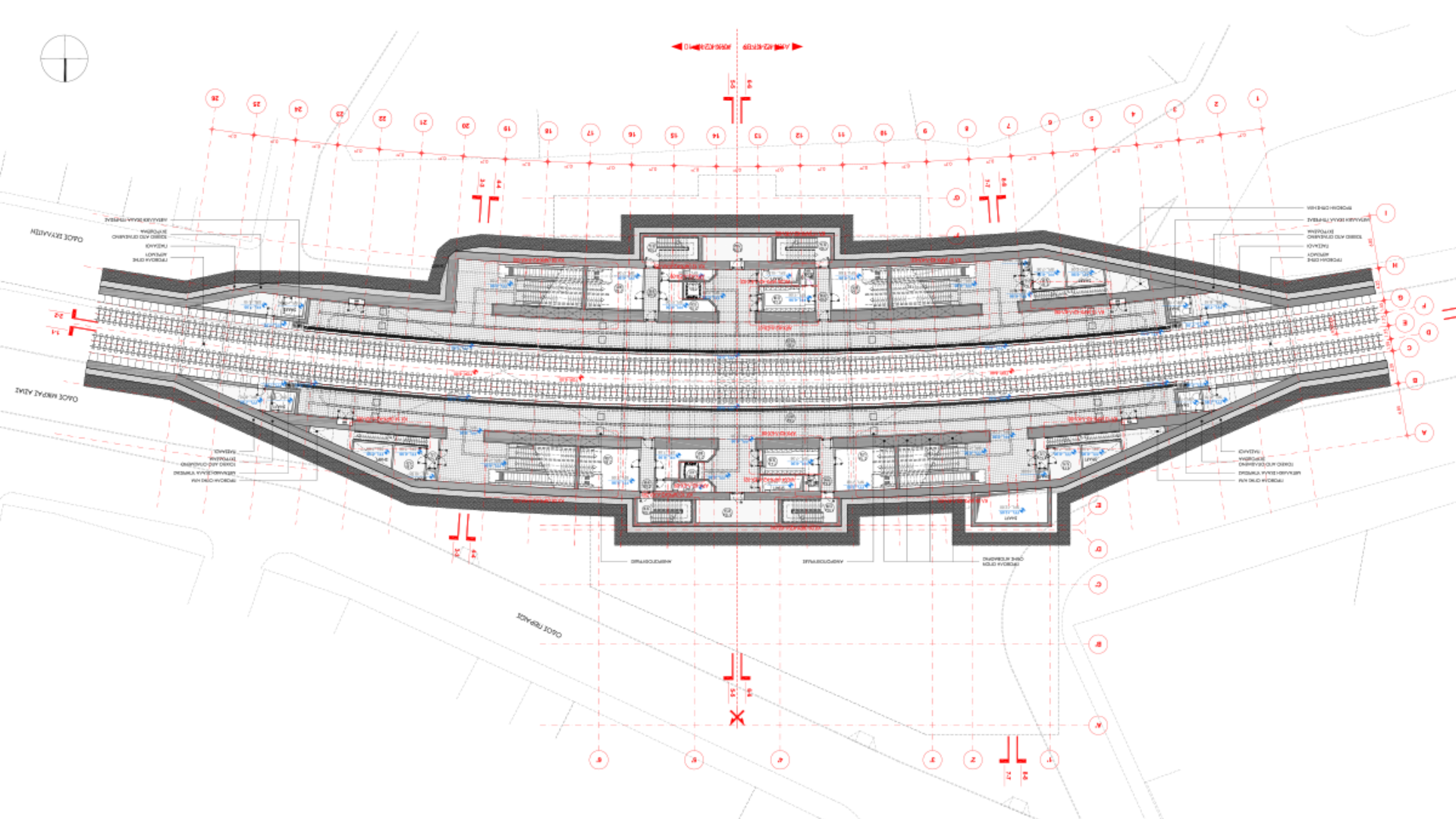
A central element of the process was the interdisciplinary coordination between architectural and engineering design (structural, MEP, safety, and transport systems), which ensured the integration of various technical components and comprehensive interference control. This synergy guaranteed total coherence between form, function, and feasibility.
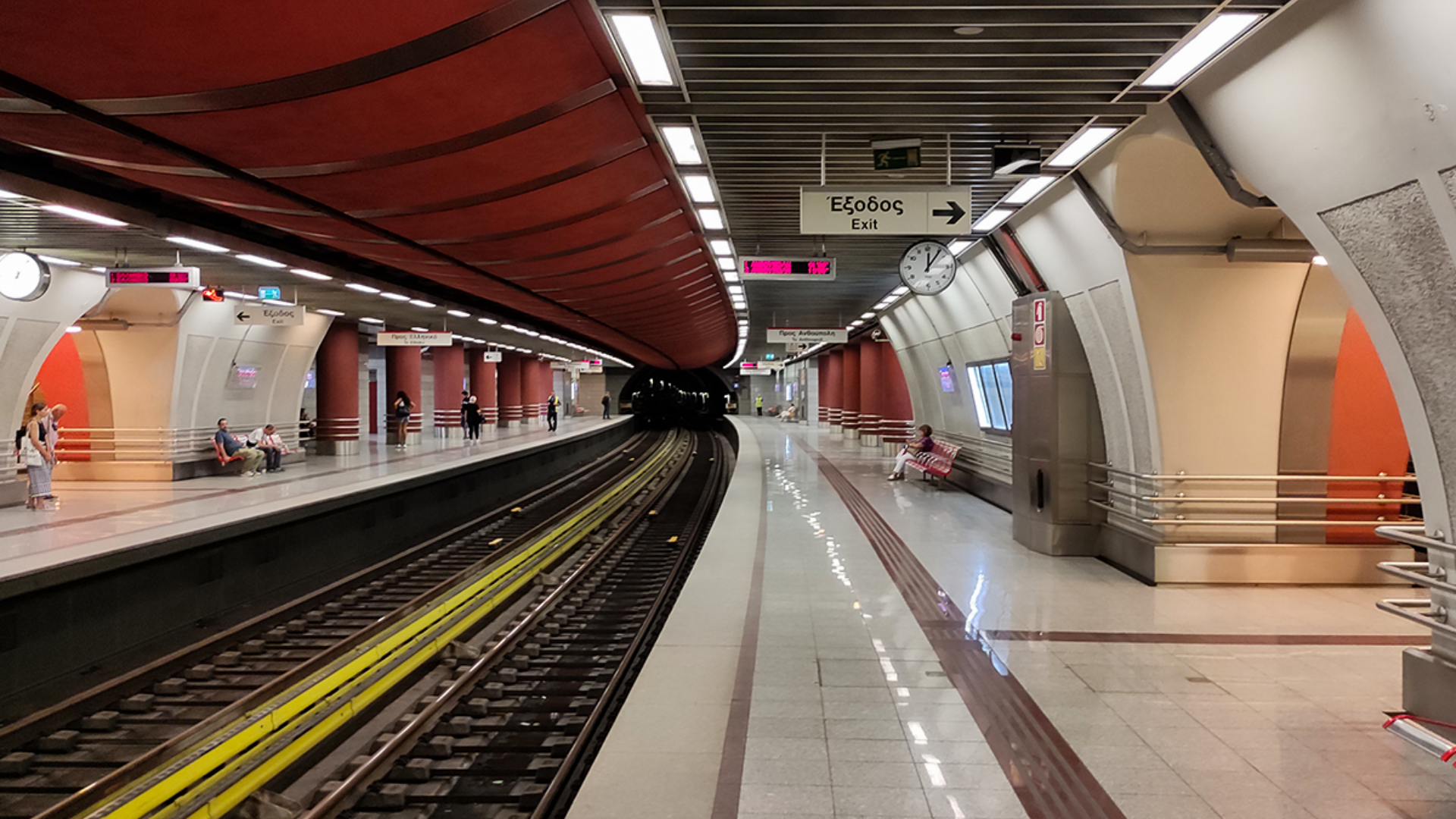
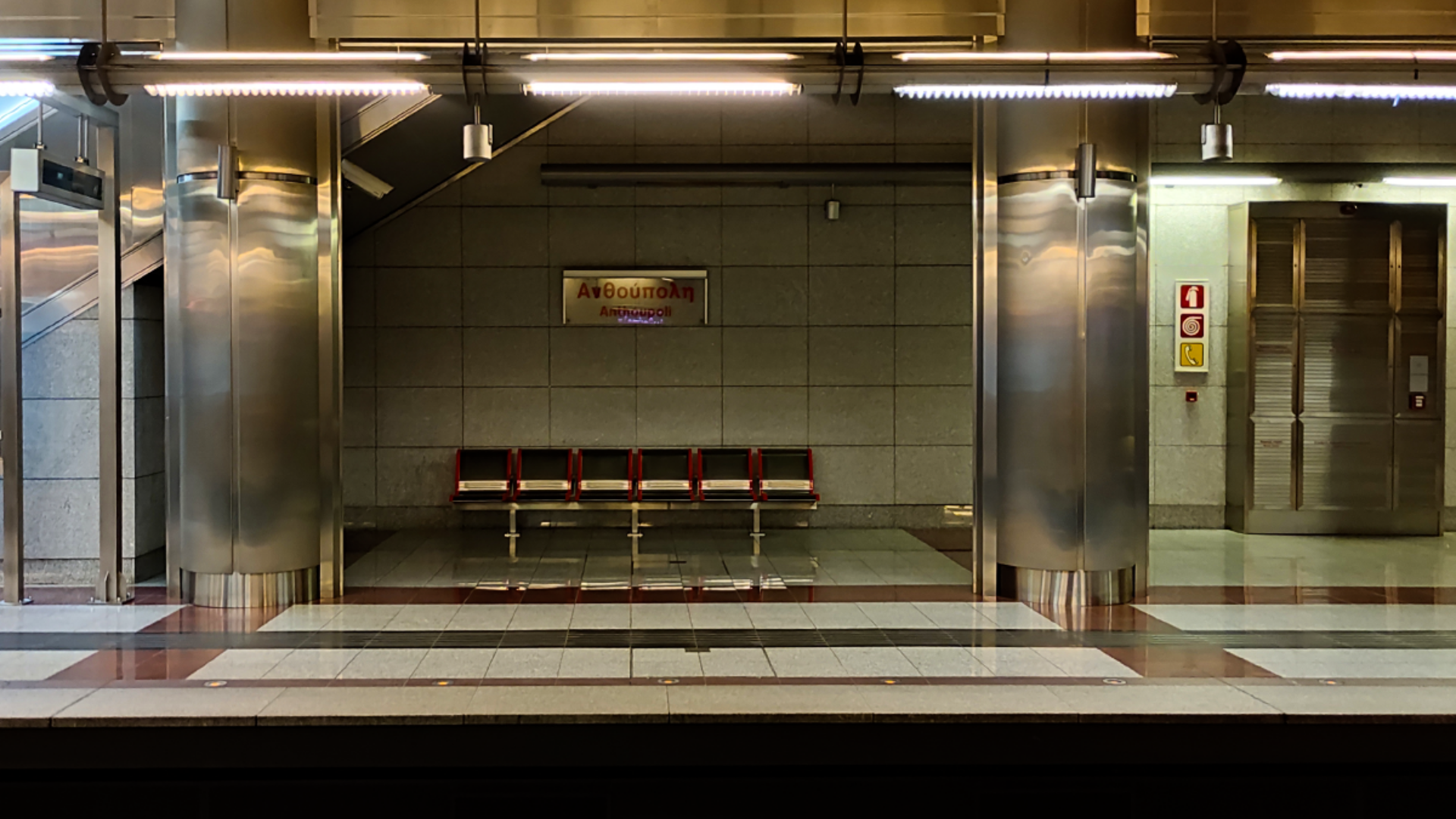
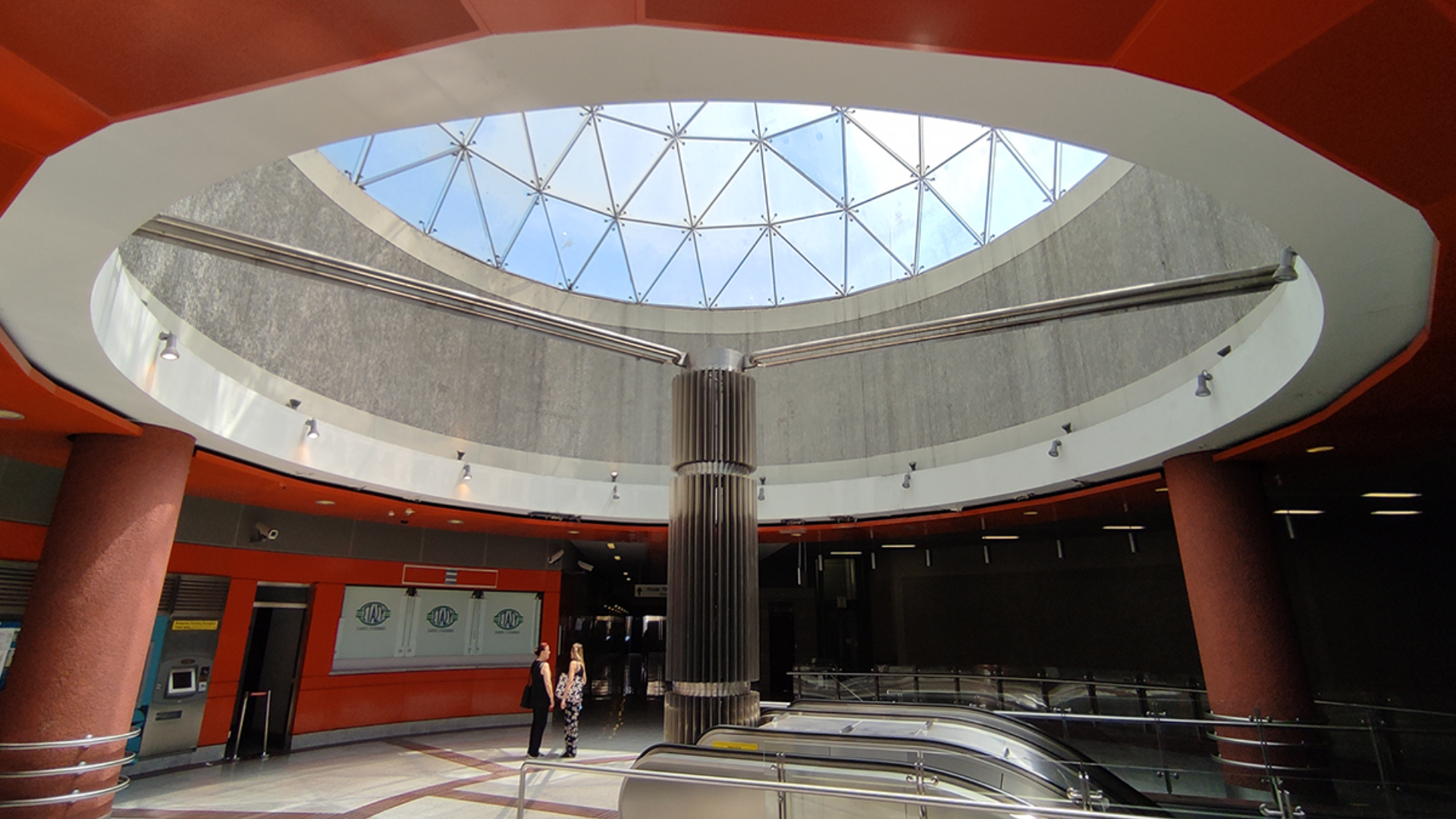
The station layouts were developed to ensure clear wayfinding, universal accessibility, flow management, and full regulatory compliance, with a specific focus on safety, evacuation systems, and integrated technical installations. Internal spaces feature durable materials and technical solutions designed for simplified maintenance and user comfort.
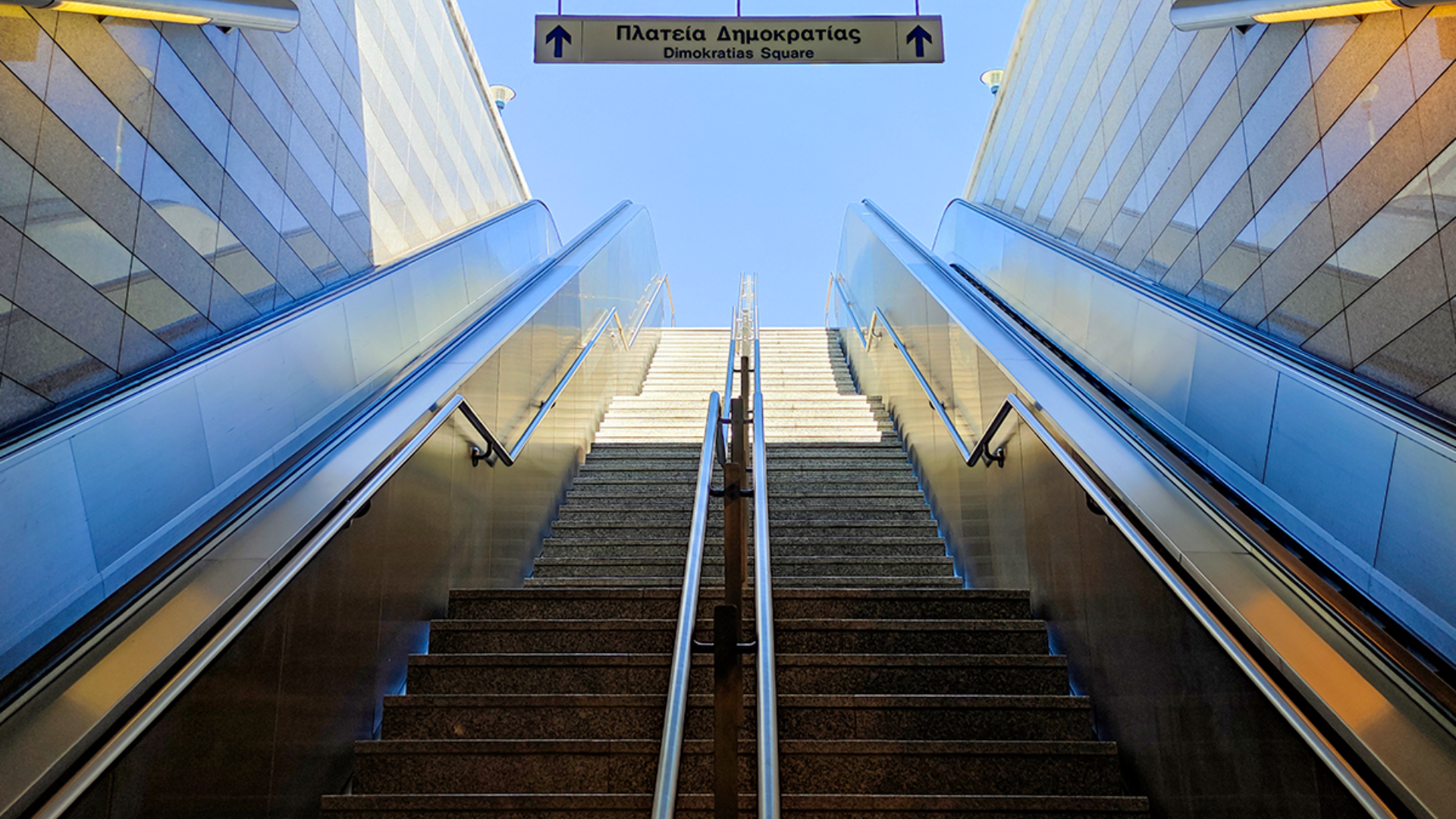
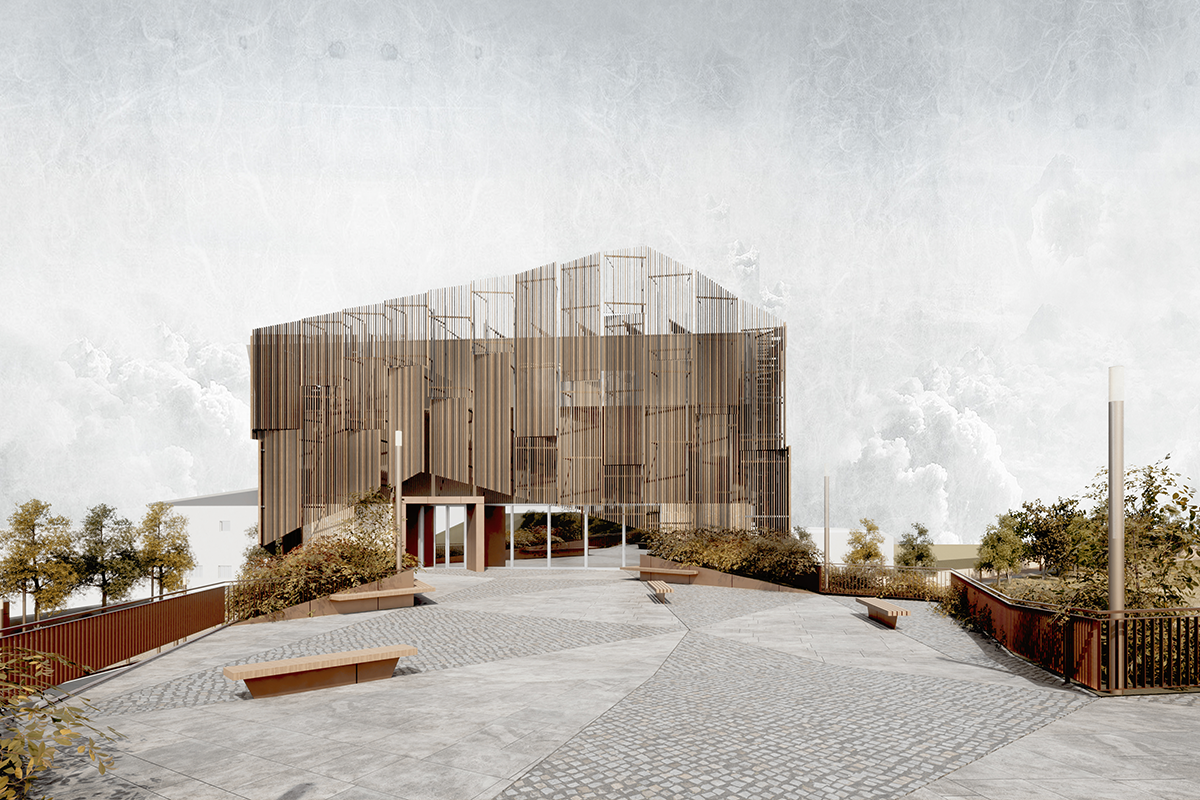
The above-ground elements, such as entrances, ventilation shafts, and emergency exits, were integrated into the urban context in a functional and recognizable manner while minimizing visual impact. The modularity of the design allowed for adaptation to the specific conditions of each site while maintaining a consistent architectural language across the entire network.
The architectural technical design represents a balance between technical rigor, design vision, and multi-disciplinary coordination, contributing to the definition of a contemporary, efficient, and resilient metropolitan infrastructure.